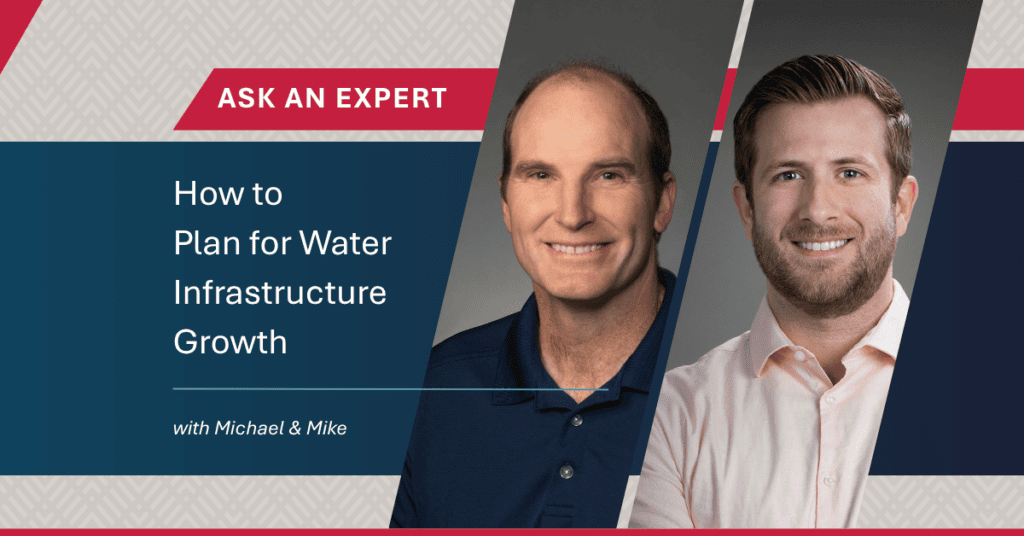
Major community growth means major strain to water infrastructure, but with the proper planning, developers and municipalities can keep progress flowing without concern. We spoke with our Water Market Leader Michael McWhirter and Ohio Water Supply & Wastewater Leader Mike Crane to learn how forward-thinking water system planning stays ahead of new residential developments, data centers, or other massive expansions.
Understanding your water infrastructure
The first step for any water infrastructure change is to fully understand the ins and outs of your existing system. What are the constraints, the issues? Digging into how your system currently functions sets the stage for expansions or improvements.
To do this, water engineers conduct extensive studies, evaluating everything from the system’s pipes and treatment components to flow rates and possible bottlenecks. Once you have a handle on your existing system, you can start looking at what growth looks and how change will affect your existing infrastructure.

“We always look at the whole picture. Where are you feeling the strain in your source water, your treatment, your distribution? We ensure our clients’ input is heard so we can work together on realistic solutions.”
Mike Crane, P.E., Ohio Water Supply & Wastewater Leader
Water modeling for effective planning and growth
Planning for growth requires a long-term lens, pulling in everything from future development plans and zoning codes to the system’s current lifespan.
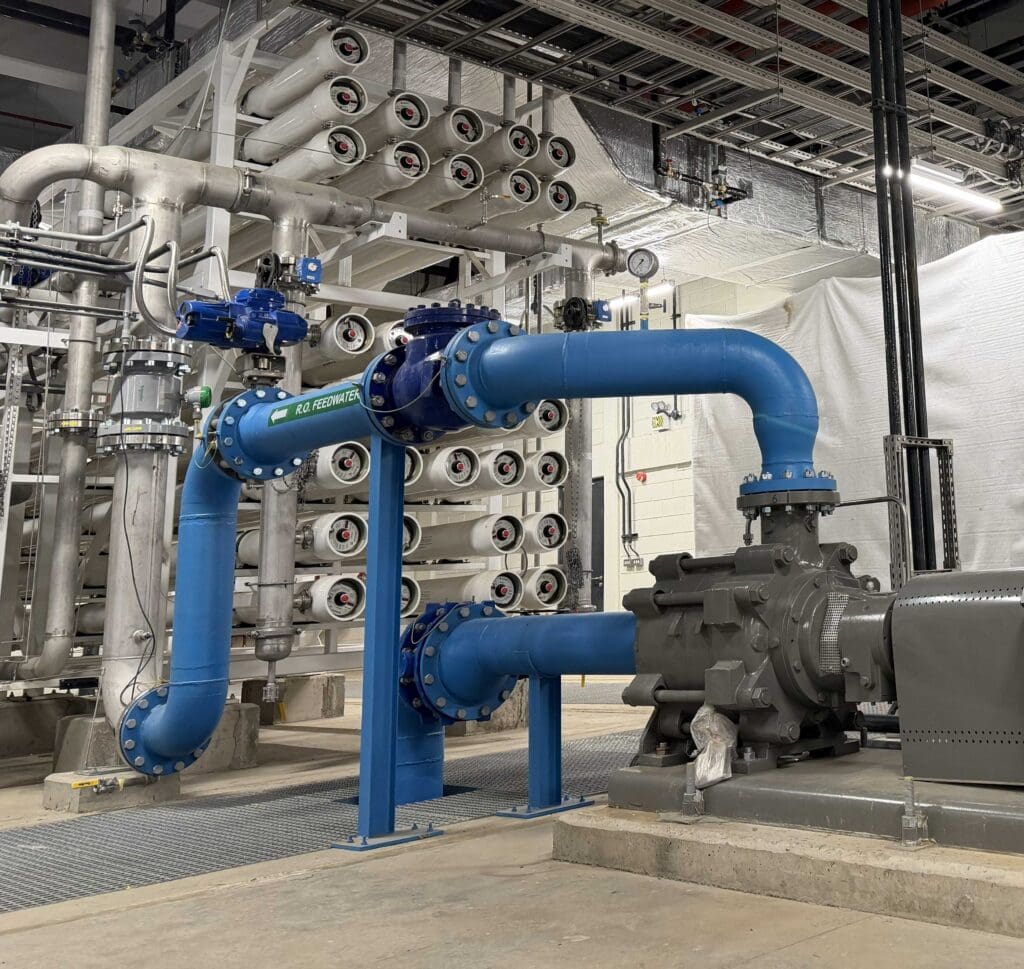
Large expansions, such as new residential developments or data centers, create significant system changes, adding strain to systems that were not designed for such high demand. To get ahead of this, engineers use sophisticated water modeling tools to predict how additional users will impact the system’s overall flow, quality, and distribution.
Engineers analyze potential hydrologic and hydraulic changes, looking at not only how water will move through man-made systems, but also changes to the local water cycle, including flood risks and watershed fluctuations.
Comprehensive water modeling can take anywhere from six to eight months, but this crucial planning allows for deliberate solutions that will support upcoming growth.
“By taking a comprehensive look at existing infrastructure and incorporating economic development, we can make targeted recommendations as to how and where to make system improvements, creating a win-win scenario for both developers and municipalities.”
Mike Crane, P.E.
Creating sustainable water infrastructure
Working with a multidisciplinary team helps bridge the gap between future goals and today’s realities. Pulling in experts in water supply, wastewater, and stormwater management, as well as community engagement and planning specialists, ensures the most holistic, proactive viewpoint into water infrastructure changes.
At V3, we partner with both public and private clients to improve and expand water systems, ensuring all stakeholders have the support needed to move forward. We seek out mutually beneficial solutions in the name of community progress.
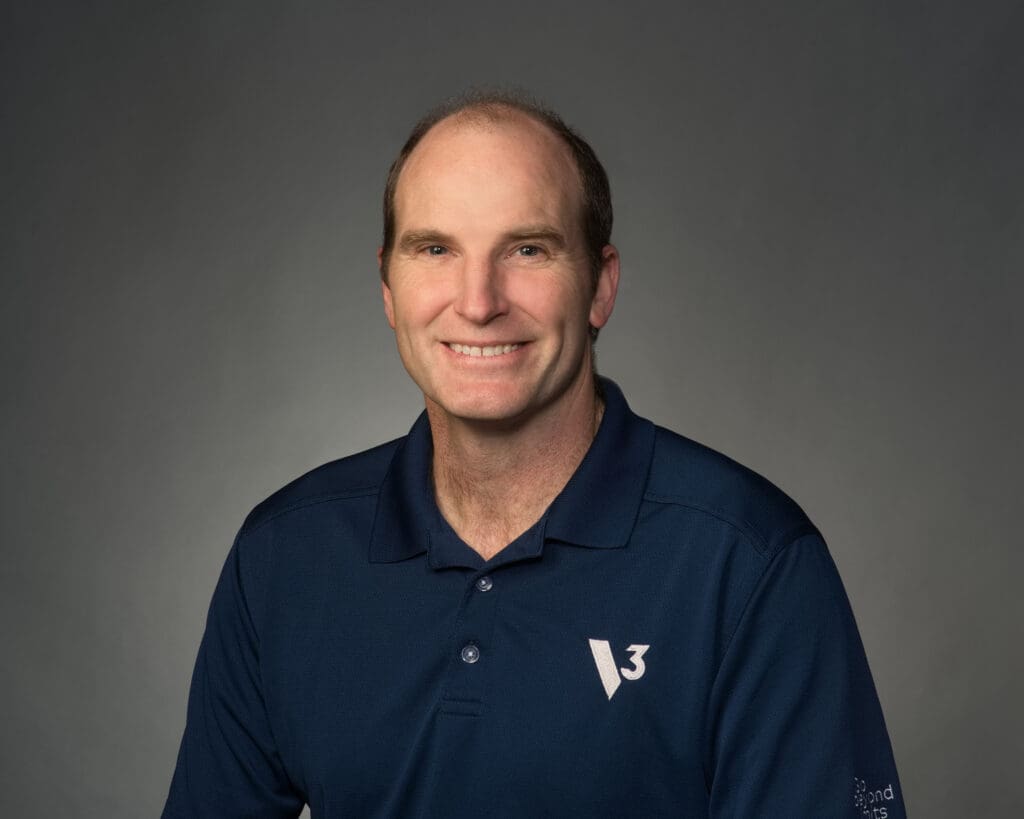
“I’ve worked on a lot of large established water and wastewater infrastructure, but putting in a new system is so rewarding. You go from, ‘well, really people can’t live in this location’ to ‘hey, this is a great place to live and do business.’ We’re committed to being a long-term partner and help communities plan for what’s possible.”
Michael McWhirter, PMP, DBIA, Water Market Leader
Work with water engineering experts
Our water supply and wastewater experts work with you to understand your current challenges and future needs to plan and design facilities to protect your community and stay a step ahead of regulatory requirements. Connect with our team to learn more.