

Our wastewater clients often ask us, “when is my water plant infrastructure past its useful life?” We talked to our Water Supply & Wastewater Group Leader Howard Hamilton to learn how to spot infrastructure inefficiency and what operators can do to get the most out of their water systems.
What is the average lifespan of water plant infrastructure?
There are many factors that play into a water plant’s lifespan. While the average wastewater treatment plant life expectancy is 50 years, that number can go up or down depending on several variables, especially when it comes to the equipment itself.
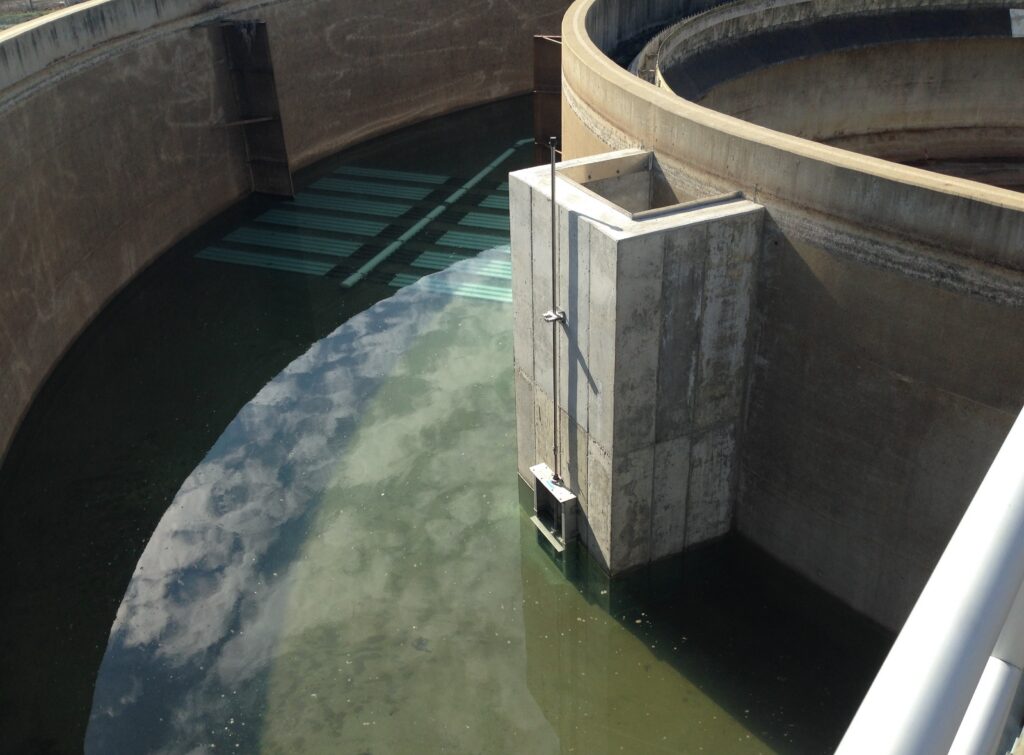
Manufacturer warranties for water plant components are a good indicator of projected lifespan. Structures such as concrete tanks or pipes could last up to 50 years, while mechanical equipment may only get five or less.
For equipment made within the last decade, it’s not uncommon to see failure close after the warranty date. Components made from lower-quality materials are often challenging to repair and often need a full replacement.
The American Water Works Association and Water Environment Federation have detailed books on water facility maintenance; our experts recommend these guides as an authoritative starting point for any plant management team.
What are the signs of ineffective water plant infrastructure?
In addition to equipment warranties, there are several infrastructure benchmarks to keep an eye on.
Increased power usage: When motors or other components start using more electricity than they used to, they’ve lost their maximum efficiency. These parts may need repair or a full replacement depending on the issue at hand. The sooner you recognize the issue and repair it, the more likely that you can avoid a costly replacement.
Repeated equipment breakdowns: Similarly, equipment that repeatedly seizes up or leaks needs attention before problems escalate. Pumps, for example, regularly have issues with their bearings or seals; when a pump makes irregular sounds, it’s time to investigate.
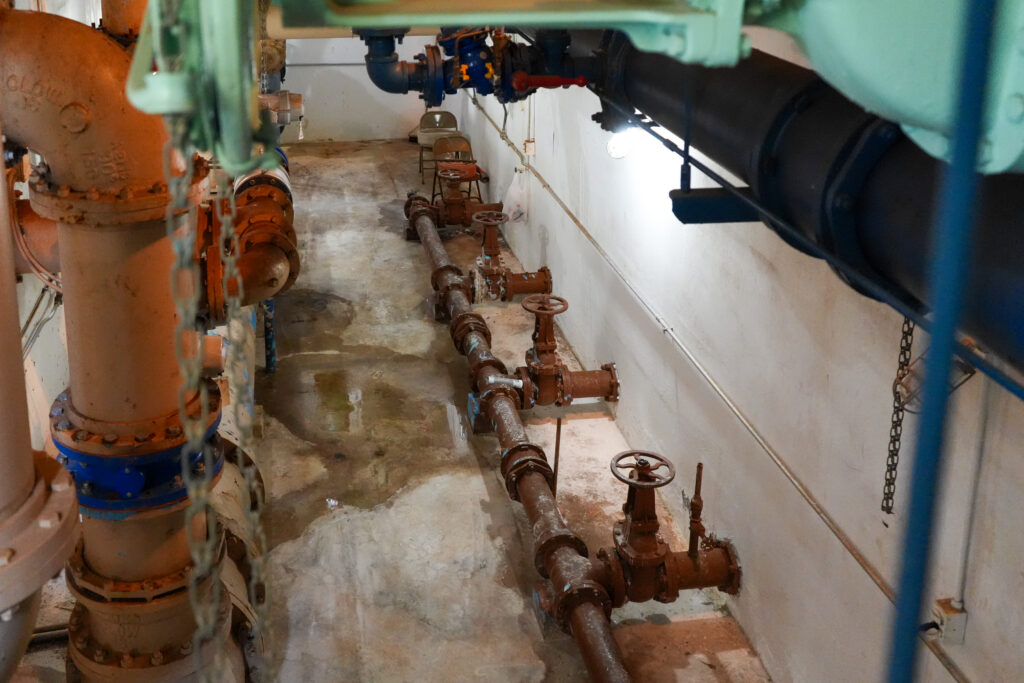
Other visual clues such as corrosion, wet patches, mineral scale buildup, or mold are additional signs your water treatment plant needs additional attention.

Tips for planning for effective water infrastructure
Creating a solid maintenance plan is one of the best ways to get the most life out of your water plant’s infrastructure. Regular checks on your motors, impedance levels, voltage draws, and other data points help you notice downward trends before they spiral into major repairs or replacements. These inspections can be anywhere from weekly to annually depending on need, but having a set schedule for each component is vital.
If you’re experiencing the same system failures over and over, it may be time for a reassessment and redesign. Rapid changes in community growth and water usage can put unexpected strain on water plant systems, so stepping back to evaluate where and how your community is expanding allows for better system improvements.
Effective water and wastewater systems with V3
Our water engineering experts work across specialties to modernize aging utility systems keep facilities compliant, efficient, and ready for what’s ahead. We combine integrated planning, modeling, and facility design services that support data-driven decisions focus on reliability and lifecycle cost performance.

“When I meet with clients, I want to understand their challenges. What have you tried? What are your pain points? We partner with you to find the best solutions, whether that’s adopting new technology, repairing existing infrastructure, or redesigning systems to meet growing demands or regulation shifts. There’s no one-size-fits-all answer, but we’ll find what works for you.”
Howard Hamilton, P.E., CFM, CPESC, Water Supply & Wastewater Group Leader
Connect with our team to learn more.